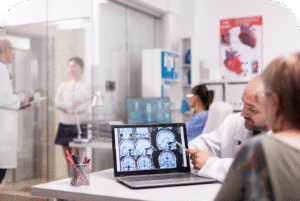
Neuroplasticity: How the Brain Can Rewire Itself After a Stroke
The human brain is remarkably adaptable. Even after an injury like a stroke, it has the ability to reorganize itself, form new connections, and compensate
The human brain is remarkably adaptable. Even after an injury like a stroke, it has the ability to reorganize itself, form new connections, and compensate

For many stroke survivors, one of the biggest challenges is losing the ability to drive. If a stroke affects the right hemisphere of the brain,
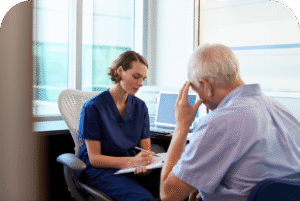
One of the most frustrating and overwhelming challenges stroke survivors face is extreme fatigue. Unlike ordinary tiredness, post-stroke fatigue can hit suddenly and intensely, leaving

Fatigue is one of the most common and frustrating symptoms stroke survivors experience. Unlike regular tiredness, post-stroke fatigue can feel overwhelming, persistent, and unpredictable, making
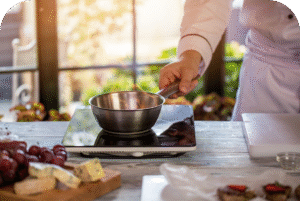
A Cookbook for Stroke Survivors and One-Handed Chefs Cooking is more than just preparing meals—it’s a way to express creativity, enjoy delicious food, and maintain

For stroke survivors, memory lapses, cognitive difficulties, and trouble managing daily tasks can be incredibly frustrating. Whether it’s forgetting appointments, leaving food in the oven

A stroke doesn’t just affect the body—it changes relationships, too. It can be hard to accept help, communicate feelings, or adjust to new limitations. Here’s

Finding Joy in Hobbies After a Stroke: One Hand, Endless Possibilities For many stroke survivors, losing function on one side of the body can feel
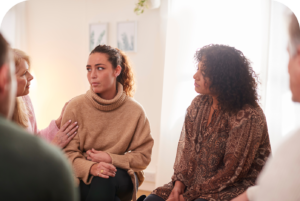
Surviving a stroke is a life-changing event, and while the physical challenges are often the focus of recovery, the mental and emotional impact can be
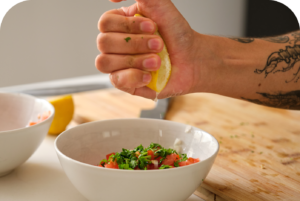
For many stroke survivors, one of the most frustrating challenges is losing function in their dominant hand. If a stroke occurs in the right hemisphere